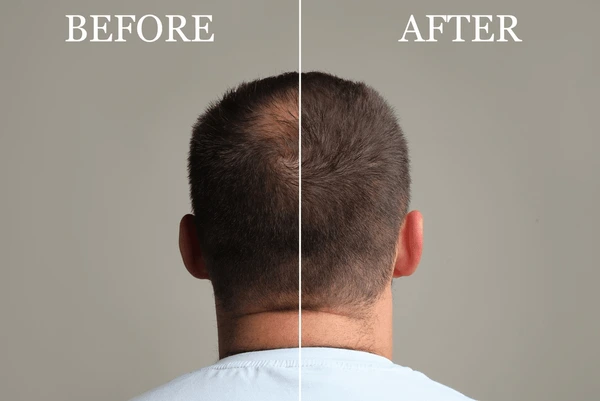





Hair transplantation has become one of the most reliable ways to restore lost hair. In the UK, more people are now choosing modern procedures to treat thinning areas and improve confidence. London in particular has become a major hub for advanced hair restoration techniques.
But before deciding on treatment, most patients face one key question. What is the difference between FUE and FUT, and which one is better?
Both methods aim to achieve the same result. They restore hair in thinning or bald areas. However, the way they do it is very different.
If you are considering a receding hairline hair transplant, understanding these two techniques can help you choose the right approach for your needs.
Understanding the Basics of Hair Transplant Surgery
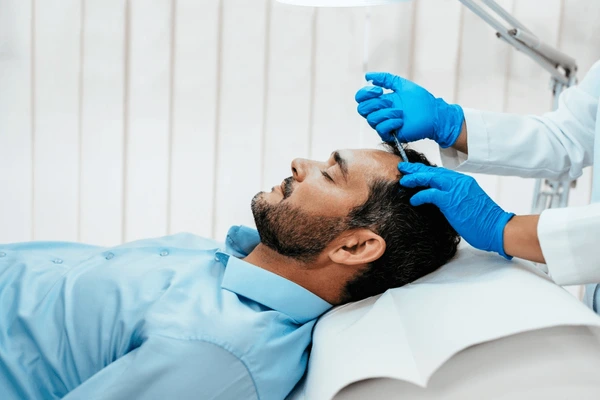
Hair transplantation works by moving healthy follicles from one part of the scalp to another.
These follicles are usually taken from the back or sides of the head. These areas are more resistant to hair loss.
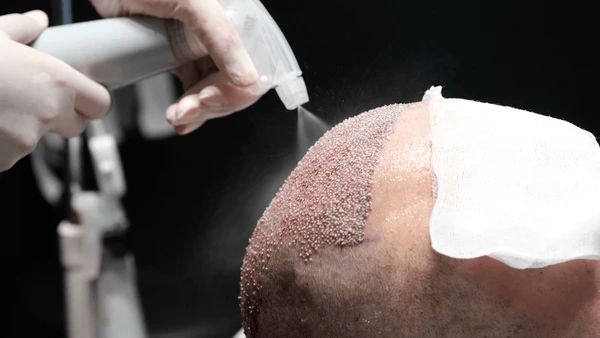
In a receding hairline hair transplant, these healthy follicles are carefully placed into thinning areas to restore a natural-looking hairline.
The two main techniques used are FUE and FUT.
Both are effective, but they differ in how donor hair is collected.
What Is FUE Hair Transplant?
FUE stands for Follicular Unit Extraction.
In this method, individual hair follicles are removed one by one from the donor area.
A surgeon uses a tiny punch tool to extract each graft carefully.
In a receding hairline hair transplant using FUE, these follicles are then implanted into the thinning areas of the scalp.
This method does not require a linear incision. Instead, it leaves tiny dot-like marks that are usually barely visible once healed.
FUE is widely used in modern clinics across the UK because of its precision and minimal scarring.
What Is FUT Hair Transplant?
FUT stands for Follicular Unit Transplantation.
In this method, a strip of skin is removed from the donor area, usually at the back of the scalp.
The strip is then divided into individual grafts under a microscope.
These grafts are then implanted into the recipient area for a receding hairline hair transplant or other thinning zones.
FUT leaves a linear scar, but it can often provide a higher number of grafts in a single session.
This method is sometimes preferred for patients with more advanced hair loss.
Key Differences Between FUE and FUT
The biggest difference between the two techniques is how the donor hair is collected.
FUE removes individual follicles. FUT removes a strip of scalp.
For a receding hairline hair transplant, both methods can work effectively depending on the patient’s needs.
FUE is generally less invasive and has a faster visible recovery. FUT may be more efficient for larger sessions requiring many grafts.
The choice depends on hair loss pattern, donor availability, and long-term goals.
Scarring Differences
Scarring is an important factor for many patients.
FUE leaves small dot-like scars that are usually not noticeable when hair is short.
FUT leaves a single linear scar at the donor site.
In a receding hairline hair transplant, scarring at the front is not an issue because the donor area is at the back.
However, hairstyle preferences may influence which method is better suited for each patient.
People who prefer very short hairstyles often choose FUE for this reason.
Recovery and Healing Time
Recovery varies between the two methods.
FUE typically has a quicker and more comfortable recovery period. Patients can often return to normal activities sooner.
FUT may require a slightly longer healing time because of the surgical strip removal.
After a receding hairline hair transplant, both methods follow similar growth timelines once healing is complete.
Initial shedding is normal, followed by gradual regrowth over several months.
Which Method Looks More Natural?
Both FUE and FUT can produce natural results when performed correctly.
The final appearance depends more on surgeon skill than technique alone.
In a receding hairline hair transplant, natural design is especially important because the hairline frames the face.
Experienced surgeons carefully control angle, direction, and density to create soft and realistic results.
Poor technique in either method can lead to unnatural outcomes, which is why clinic choice matters most.
Who Is a Better Candidate for FUE?
FUE is often recommended for patients who prefer minimal scarring and a quicker recovery.
It is also suitable for people with smaller to moderate hair loss.
For a receding hairline hair transplant, FUE works well when precision and natural detail are priorities.
It is commonly used in modern UK clinics because of its flexibility.
However, it may take longer if a large number of grafts is needed.
Who Is a Better Candidate for FUT?
FUT may be suitable for patients with more advanced hair loss who need a high number of grafts in one session.
It can be efficient for restoring larger areas of thinning.
In some receding hairline hair transplant cases, FUT may be combined with other methods for maximum coverage.
However, patients should consider the presence of a linear scar when choosing this option.
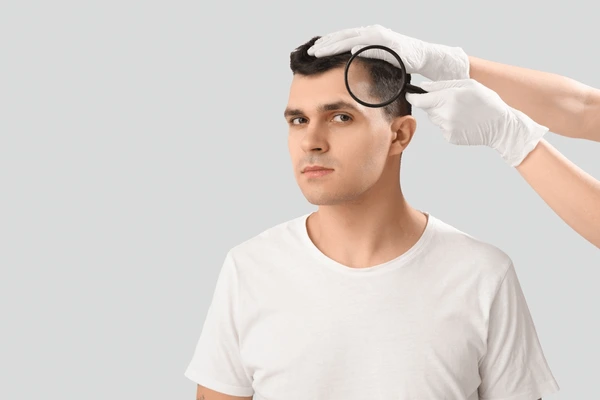
A consultation helps determine suitability based on individual needs.
Cost Differences in the UK
Costs can vary depending on technique, clinic, and number of grafts required.
FUE is often more expensive because it takes more time and precision.
FUT may be slightly more cost-effective for larger procedures.
For a receding hairline hair transplant, pricing usually depends more on graft count than technique alone.
Many UK clinics offer consultations to provide personalised cost estimates.
Long-Term Results and Maintenance
Both FUE and FUT provide permanent results when performed correctly.
Transplanted follicles continue to grow naturally because they are resistant to genetic hair loss.
After a receding hairline hair transplant, long-term success depends on donor management and future hair loss planning.
Surgeons often design hairlines that age naturally over time.
Proper planning ensures results remain balanced as hair continues to change with age.
Reading Reviews Before Choosing a Clinic
Choosing the right clinic is one of the most important decisions.
Patient experiences often reveal more than marketing materials.
Reading receding hairline hair transplant reviews can help you understand real results, recovery experiences, and long-term satisfaction.
Look for consistent feedback about natural outcomes and clear communication.
Reviews can also highlight differences in technique quality and aftercare support.
Final Thoughts
FUE and FUT are both effective hair restoration techniques, but they work in different ways.
FUE offers minimal scarring and quicker recovery, while FUT can provide a higher number of grafts in certain cases.
If you are considering a receding hairline hair transplant, the best choice depends on your hair loss pattern, donor strength, and long-term goals.
Reading real receding hairline hair transplant reviews can help you make a more informed decision based on real patient experiences.
In the end, the success of any procedure depends less on the method and more on the skill of the surgeon and the quality of planning behind it.