



Starting a new hair restoration journey brings a wave of hope and high expectations. When men across the UK commit to a treatment plan, they eagerly look forward to thicker hair. Finding extra strands in the shower drain during the second or third week causes sudden panic. Many beginners assume the intervention is failing and consider stopping immediately. In reality, experiencing an initial minoxidil shedding phase is a textbook sign of medical success. Understanding the exact timeline of this temporary hair fall helps you stay calm and focused. Your hair follicles are simply clearing out weak strands to prepare for strong growth.
Why Your Scalp Needs a Clean Slate
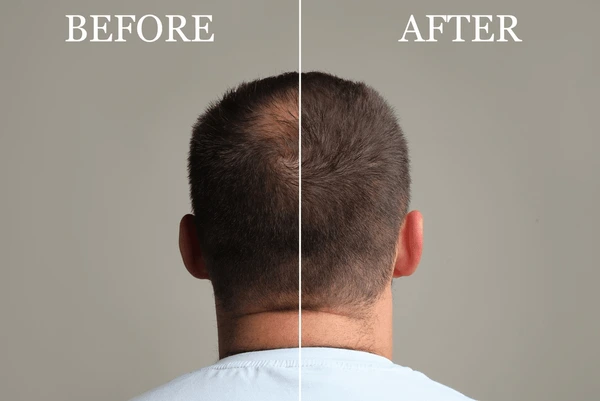
Every single hair on your scalp follows a strict biological cycle of growth, rest, and shedding. Genetic thinning forces active follicles into a prolonged resting phase where they produce fragile, miniaturized hairs. Active treatments introduce a rush of blood flow and cellular energy that disrupts this stagnant pattern. This sudden surge shocks resting follicles into abandoning old hairs prematurely. While losing these strands all at once looks alarming in the mirror, it clears the path for robust recovery. Examining a verified minoxidil before and after archive proves that this temporary thinning precedes dense physical renewal.
Navigating Weeks Two Through Eight Without Fear
The shedding window typically begins around the second to fourth week of daily application and lasts for several weeks. Whether you choose a systemic tablet or a topical minoxidil 5% UK solution, this transition catches many patients off guard. You might notice your scalp appearing slightly more visible under bright bathroom lights than it did initially. This visual setback often drives men to abandon their daily routine right when the medicine begins working. GMC-registered practitioners across Britain always emphasize that staying compliant through this specific window is completely critical. Giving up during the shedding stage means you miss out on the thicker terminal growth waiting ahead.
Distinguishing Normal Treatment Fall from Standard Hair Loss
It helps to remember the core difference between progressive genetic thinning and temporary medication-induced turnover. Genetic loss causes miniaturized hairs to shrink permanently without ever returning to full density. Treatment-related shedding forces out old, weak shafts to make structural room for thick, pigmented replacement hairs. The fallen hairs are simply being evicted by healthy new cells pushing upward from deep within the dermis. Recognizing this distinction protects your mental well-being and keeps you anchored to your long-term goals.
Months Three and Four: The Turning Point of the Journey
Once the shedding phase finally subsides, your scalp enters a much more encouraging and rewarding chapter of recovery. Around the third or fourth month, daily hair fall normalizes and returns to a healthy baseline. Fine, wispy baby hairs begin sprouting along the receding hairline and crown where coverage previously looked sparse. Documenting your scalp with monthly photographs under identical lighting reveals these tiny, exciting signs of active cellular renewal. Reviewing your personal photo log at this stage provides undeniable proof that your patience paid off. Your styling routine becomes easier as overall texture and strand resilience visibly improve across your head.
Maintaining Strict Daily Adherence Across Formats
Consistency dictates whether your hair restoration project succeeds or quietly falls apart over time. Skipping applications or missing doses interrupts the steady supply of blood flow required by recovering follicles. Whether you rely on modern systemic options like an oral minoxidil UK prescription or traditional topicals, daily discipline matters. Treat your health routine like brushing your teeth so it becomes an automatic, unthinking part of your daily lifestyle.
Months Six to Twelve: Achieving Peak Density and Full Coverage
By the sixth month, the transformation across your scalp becomes much more apparent to friends and colleagues alike. Fine vellus hairs mature into darker, thicker terminal shafts that offer complete visual coverage. Most clinical studies show that results peak around twelve months of uninterrupted, daily use. Evaluating your complete archive at this stage reveals a striking visual contrast from day one. Your styling options open up completely, allowing you to wear your hair shorter without any lingering anxiety.
Choosing Between Pills and Topical Solutions for Maintenance
Selecting the right format depends entirely on your daily preferences and medical guidance from a qualified specialist. Many British men still prefer traditional minoxidil 5% UK liquid or foam applied directly to localized thinning zones. Others prefer the unmatched convenience of swallowing a tiny oral minoxidil UK tablet with breakfast every morning. Both approaches deliver impressive results when backed by professional supervision and long-term consistency.
Securing Long-Term Results Beyond the First Year
Hair loss is a progressive, lifelong genetic condition that never truly takes a permanent holiday. Reaching your twelve-month milestone does not mean you can safely throw away your prescription bottles or bottles of foam. Stopping treatment causes revived follicles to shrink back to their original thinning state within a few short months. Think of your daily routine as ongoing maintenance rather than a temporary fix. Schedule regular check-ins with a qualified practitioner to monitor your scalp health and optimize your long-term strategy. Taking a proactive approach guarantees your hard-earned hairline remains strong, dense, and youthful for decades.